Understanding Cat Tree Designs
Cat trees are essential furniture pieces for any cat owner looking to provide their feline companions with an engaging and stimulating environment. Not only do cat trees serve as a space for climbing and playing, but they also offer crucial areas for resting and scratching, addressing a cat's natural instincts. In today's market, a wide variety of designs and styles are available to suit different spaces and budgets. When exploring options, cat tree designs can be particularly appealing, with various sizes and features tailored to meet the unique needs of cats.
What is a Cat Tree?
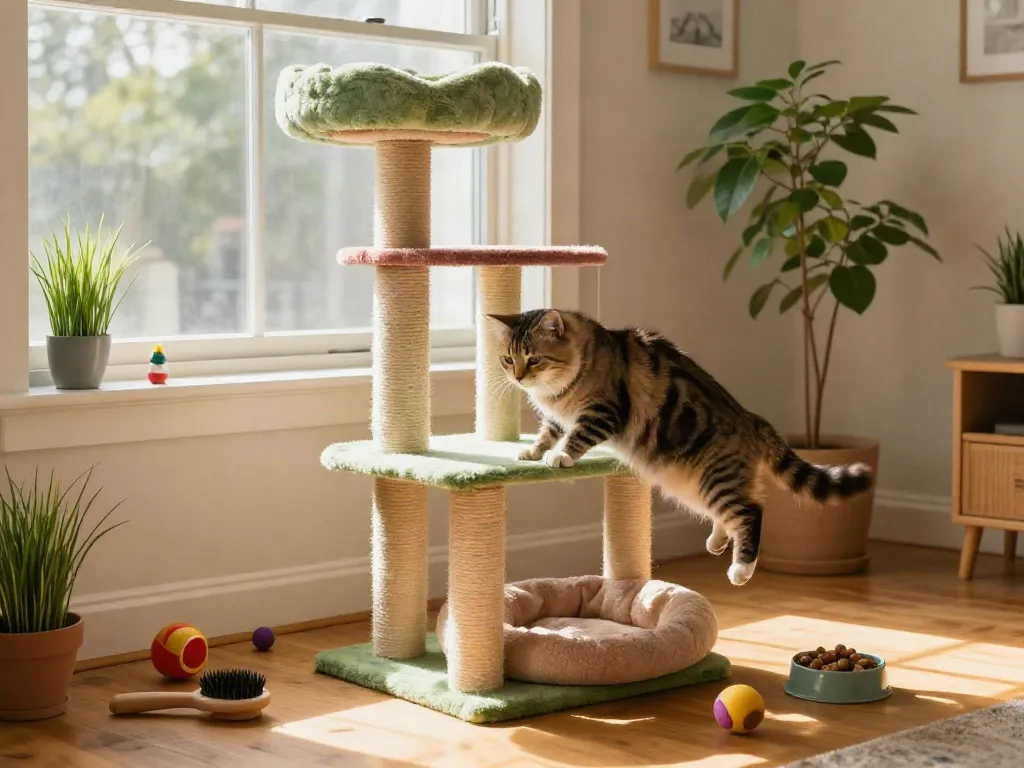
A cat tree, also known as a cat condo or cat tower, is a multi-level structure designed to provide cats with a designated area for climbing, scratching, and lounging. These structures often include various features such as platforms, cubed hideaways, and scratching posts, all helping to fulfil a cat's natural behaviours and instincts. Cat trees can vary in height and complexity, catering to different cat sizes and preferences.
Different Styles of Cat Trees
Cat trees come in a wide array of styles and designs, allowing pet owners to find the perfect match for their home and their cat's preferences. Key types include:
- Traditional Cat Trees: Generally tall and designed for climbing, these features multiple platforms and scratching posts.
- Wall-Mounted Cat Trees: Space-saving options that attach to walls, providing vertical play areas without taking up floor space.
- Modern Cat Trees: Sleek designs that blend seamlessly with home decor while offering functionality.
- Multi-Level Cat Trees: Ideal for households with multiple cats, these provide ample space for all felines to play and relax.
Choosing the Right Size for Your Space
When selecting a cat tree, the size of your home and the space available for the cat tree play a crucial role. Assess the area where you plan to place the tree, considering both height and floor footprint. It's essential to ensure that the chosen cat tree does not overwhelm the space, as this can lead to a cluttered look and feel. A cat tree that fits harmoniously within your environment contributes to a more pleasant atmosphere for both you and your feline companion.
Common Mistakes When Buying a Cat Tree
While cat trees can be a wonderful addition to your home, there are several common mistakes that pet owners often make when purchasing them. Being aware of these pitfalls can help ensure you choose the best option for your cat.
Ignoring Your Cat’s Preferences
Every cat is unique, and what works for one may not suit another. It's crucial to observe your cat's behaviour and preferences to select the right cat tree. If your feline loves climbing, opt for a taller, multi-level design. Conversely, if your cat prefers cozy spaces, look for a model with enclosed spaces or hammocks.
Overlooking Safety Features
When buying a cat tree, safety should be a top priority. Ensure the cat tree is sturdy and well-constructed, with features that prevent tipping or collapsing. Pay attention to the quality of materials used and check for any potential hazards such as sharp edges or loose parts that could harm your cat.
Choosing Poor Materials
The materials used in your cat tree can significantly impact its longevity and your cat's health. Opt for cat trees made from durable, non-toxic materials. Solid wood bases are preferable to flimsy particleboard, while natural sisal rope is ideal for scratching posts, as it is more durable and appealing to cats.
Effective Ways to Enhance Your Cat Tree
Once you've selected the ideal cat tree, consider ways to enhance it for added enjoyment and functionality. Here are some suggestions:
Adding Interactive Toys and Features
Including interactive elements such as dangling toys or ball tracks can greatly enhance your cat tree's appeal. Cats are naturally curious creatures, and the addition of these features encourages play and helps to keep your cat stimulated both physically and mentally.
Customising for Style and Functionality
Make your cat tree a reflection of your style by choosing colours and designs that match your home decor. Additionally, consider personalising the tree by adding features like blankets or cushions for extra comfort. Customisation not only makes the tree more inviting but can also enhance its usability.
Maintaining and Caring for Your Cat Tree
Regular maintenance is essential to keep your cat tree in top condition. Vacuum the surfaces to remove cat hair and dander, and check for any loose screws or damaged parts that may need repair. Regularly replacing scratching posts or pads extends the life of the cat tree and keeps it appealing for your cat.
Real-Life Examples of Successful Cat Trees
To illustrate the varied applications of cat trees, let us examine some real-life scenarios where cat trees have successfully integrated into households.
Case Study: Multi-Cat Households
In a home with multiple cats, investing in a large, multi-level cat tree can provide sufficient space for all felines to play without conflict. For example, a family with three cats observed that by placing a taller tree in a central location, they reduced territorial disputes among pets and offered each cat a place to rest and play.
Transforming Small Spaces
For those living in smaller apartments, a wall-mounted cat tree can create a vertical space without consuming valuable floor area. Homeowners have successfully transformed their spaces by installing these units, providing their cats with ample climbing opportunities while maintaining an open and airy feeling throughout the room.
Unique Cat Tree Designs for Modern Homes
Modern cat trees are now available in chic designs that complement contemporary interiors. For instance, stylish cat trees made from high-quality wood and featuring elegant lines can be conversation starters while offering functionality. These designs ensure that your cat tree doesn’t stand out in an unattractive way but instead blends seamlessly with your decor.
Future Trends in Cat Tree Features
As we look towards the future of cat trees, several emerging trends are expected to shape the market and influence cat owners' choices.
Smart Technology Integration
With the rise of smart home technology, cat trees are also beginning to incorporate innovative features. Future designs may soon include built-in sensors that monitor your cat's activity levels or smart toys that engage your pet in play when they are alone, ensuring their physical and mental well-being.
Sustainable and Eco-Friendly Materials
The trend towards sustainability is influencing the materials used in cat tree manufacturing. Future products are expected to feature eco-friendly fabrics and sustainable wood sources, appealing to environmentally conscious consumers while ensuring safety for pets.
Trends for Cat Trees in 2026 and Beyond
As we move beyond 2026, expect to see increased demand for multifunctional cat trees that serve not just as play areas but also as stylish decor elements. Features like integrated shelves and climbing structures may be coupled with furniture pieces to create a cohesive living space for both pets and homeowners.
What features should a cat tree include?
When purchasing a cat tree, look for features like scratching posts, multiple platforms, hideaways, and stability to ensure your cat can enjoy playtime safely and comfortably.
How tall should a cat tree be for large breeds?
For large cat breeds, a cat tree should ideally be at least 6 feet tall to accommodate their need for both vertical space and exercise.
What materials are best for cat trees?
The best materials for cat trees include solid wood for the base, carpet for comfort, and sisal for scratching surfaces, ensuring durability and safety.
How often should a cat tree be replaced?
Cat trees should generally be replaced every 1-3 years, depending on wear and tear, particularly the scratching surfaces and overall stability.
Can you build a DIY cat tree at home?
Yes, many cat owners choose to build DIY cat trees tailored to their space, using materials such as plywood and sisal rope. This approach allows for complete customisation according to the owner's taste and their cat's needs.